How to Choose the Right Spray Coating Equipment for Your Needs?
Choosing the right Spray Coating Equipment is critical for achieving optimal results in various industries. Recent data from Market Research Future indicates that the global spray coating market is expected to grow at a CAGR of 5.2% from 2021 to 2028. This growth is fueled by advancements in technology and increasing demand for efficient coating solutions. Industry expert Dr. Emily Chen emphasizes, "Selecting the right equipment is as crucial as the coating materials themselves." Her insight highlights the importance of informed decisions in this field.
When considering Spray Coating Equipment, several factors come into play. Users must evaluate application needs, material compatibility, and performance characteristics. Each factor can significantly impact the overall efficiency and finish quality. A mismatch can lead to wasted resources and unsatisfactory results. Thus, understanding these elements is essential to make a sound investment.
Moreover, the array of options available can overwhelm potential buyers. There is no one-size-fits-all answer. Each project may demand different specifications regarding pressure, nozzle types, and delivery methods. A meticulous approach to selecting equipment can ensure longevity and effectiveness. Balancing budget constraints with quality is a reflective challenge for many organizations today.
Understanding Different Types of Spray Coating Equipment Available
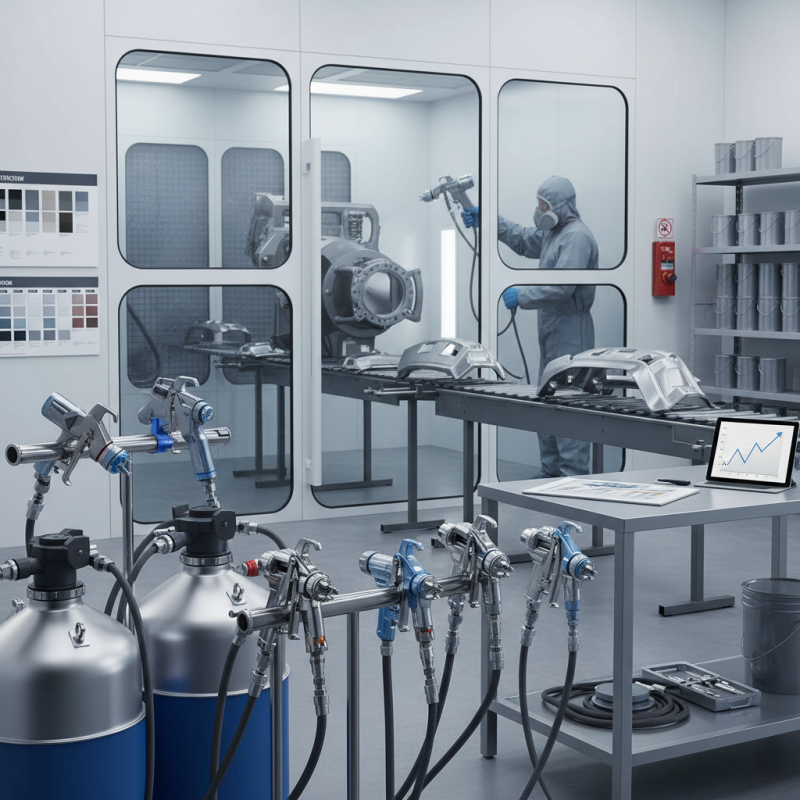
Choosing the right spray coating equipment can feel daunting. Several types are available, each serving different purposes. Knowledge of these options is crucial for making an informed decision.
Air spray systems are common in many industries. They create a fine mist, ideal for achieving smooth finishes. However, they may produce overspray, leading to wasted material. This method works best for larger surfaces. For smaller projects, consider using a handheld sprayer. They offer more control but may not cover large areas efficiently.
High-volume low-pressure (HVLP) systems are another popular choice. These are efficient and minimize overspray, saving both time and resources. They are versatile and suitable for various materials. Yet, HVLP systems can struggle with thicker coatings, requiring adjustments. Reflecting on your specific needs helps identify the best equipment.
Assessing Your Project Requirements for Spray Coating
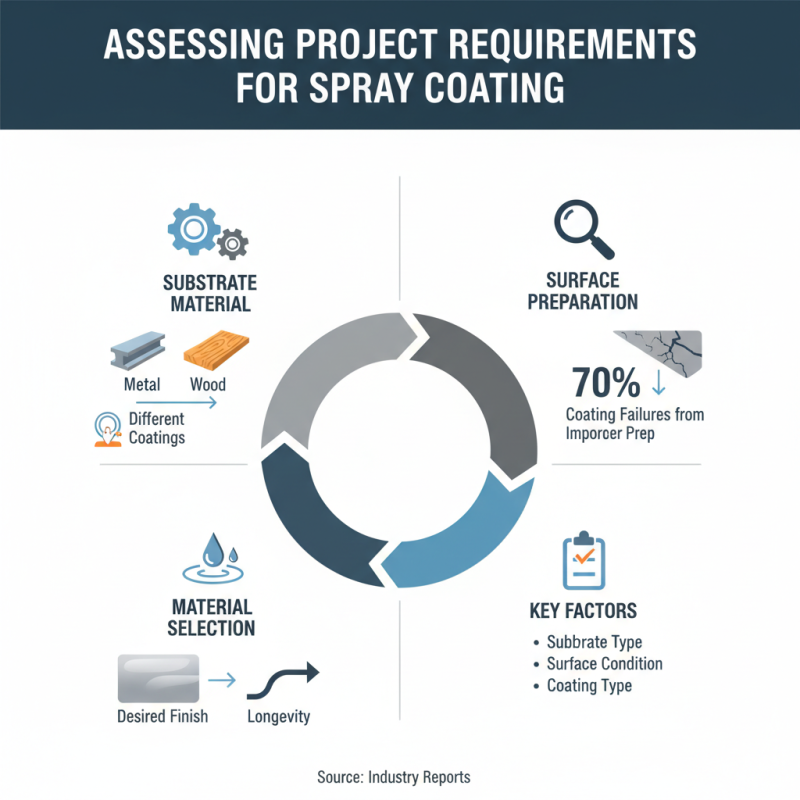
When assessing your project requirements for spray coating, several factors come into play. Understanding the substrate material is crucial. For instance, metal surfaces may need different coatings than wood. Reports indicate that nearly 70% of coating failures stem from improper surface preparation. Identifying the right material can aid in achieving the desired finish and longevity.
Additionally, consider the scale of your project. Smaller applications might benefit from handheld spray equipment, while larger projects require industrial systems. Statistics show that inefficient equipment can increase operational costs by up to 30%. Evaluate the production rate needed to avoid delays. Equipment choice should match the volume and complexity of tasks.
Don’t overlook environmental factors, too. Humidity and temperature can affect drying times and adhesion. A study highlighted that 40% of spray coating issues relate to environmental conditions. Understanding these variables is key to selecting the right equipment. It's important to reflect on these aspects before making a decision to ensure project success.
Evaluating the Features of Spray Coating Equipment
When evaluating spray coating equipment, consider key features that match your specific needs. Options vary widely, impacting application efficiency and coating quality. According to a report by MarketsandMarkets, the global spray coating equipment market is projected to reach $8.5 billion by 2025, reflecting an increased demand for advanced technologies.
Tip: Identify your project's size and required coating thickness to ensure compatibility with your chosen equipment. Many users overlook this critical step and may end up with equipment that is not suitable for their tasks.
Another essential feature is the spray pattern control. Equipment that allows for adjustable spray patterns enhances precision. APPI's industry analysis suggests that a well-controlled pattern can reduce overspray by up to 30%. This detail may seem minor but can significantly impact material costs and waste.
Tip: Always test equipment before committing to a purchase. Some machines may look ideal on paper but perform poorly in real conditions. Understand that finding the right equipment often involves trial and error. It's crucial to reflect on initial impressions versus long-term performance metrics.
Comparing Costs and Budgeting for Spray Coating Solutions
When budgeting for spray coating solutions, understanding costs is crucial. Equipment prices can vary significantly based on type, size, and features. For instance, high-end machines may offer advanced capabilities but could stretch your budget. A more affordable option might suffice for smaller projects.
Consider maintenance and operational costs as well. An inexpensive machine may lead to higher repair bills over time. Evaluate the longevity of the equipment you choose. Investing in quality can save money in the long run. Additionally, take into account the training costs for operators if advanced technology is involved.
Don’t forget to explore financing options. Leasing might allow you to access better equipment without a substantial upfront investment. However, weigh the long-term costs of leasing versus buying. Understanding your specific needs can guide you in making an informed decision. Review your requirements and budget regularly to adapt to changing circumstances.
Comparison of Spray Coating Equipment Costs
Maintenance and Support Considerations for Spray Coating Equipment
Maintaining spray coating equipment is crucial for optimal performance. Regular cleaning is essential to prevent clogs and ensure even application. This can include flushing the system with appropriate solvents after each use. Ignoring this step can lead to costly repairs or reduced efficiency over time.
Training staff on proper handling is another aspect. A well-trained operator knows how to identify potential issues early. Routine inspections can help detect wear before it becomes a problem. Documentation of maintenance activities adds reliability, showcasing a commitment to detail.
Be aware of support options when selecting your equipment. Some suppliers offer extensive technical support, while others may lack resources. This can affect your production schedule if problems arise. Researching this factor before making a purchase can save significant headaches later on. Your choice reflects not just immediate needs but long-term sustainability.