How Does Powder Coating Enhance Corrosion Resistance?
Powder coating has become a vital process in enhancing corrosion resistance across various industries. According to a report by the Powder Coating Institute, items coated in this manner exhibit significantly improved durability. The process involves applying a dry powder that, when heated, forms a resilient layer. This layer forms a barrier against moisture, chemicals, and harsh environments, leading to a notable decrease in corrosion rates.
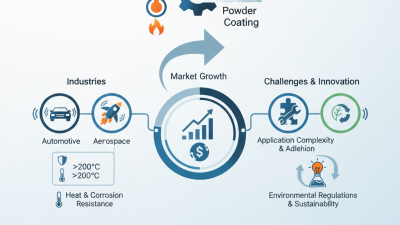
Recent studies indicate that powder-coated surfaces can achieve up to 60% better corrosion resistance compared to traditional paints. This improvement is essential for industries such as automotive and marine, where exposure to elements is relentless. However, while powder coating is effective, it is not infallible. Factors like surface preparation and application precision can impact the overall performance. Ensuring that every step of the powder coating process is executed flawlessly is crucial for maximizing the benefits of powder coating corrosion resistance.
In conclusion, while powder coating significantly enhances corrosion resistance, it is essential to acknowledge the challenges faced. Continuous improvements and innovations in the application process are needed. Upgrading techniques will allow industries to fully leverage the advantages of powder coating in protecting their assets.

Understanding Powder Coating and Its Components
Powder coating is a process that protects surfaces through a durable finish. This technique involves applying a dry powder to a substrate, typically metal. The powder is then heated, allowing it to form a tough, protective layer. Understanding the components of powder coating is crucial to appreciating its effectiveness.
Powder coatings are primarily made from resins, pigments, and additives. The resins form the backbone of the coating, providing adhesion and durability. They can be thermoplastic or thermosetting. Pigments give color and enhance UV resistance. Additives serve specific purposes, like improving flow or anti-foaming properties. Each component is vital to creating a coating that withstands harsh environments.
However, the application process is not without flaws. Expert knowledge and careful handling are essential. Missteps in preparation can lead to a subpar finish. This can compromise the protective qualities of the coating. Understanding how each part interacts ensures a better-coated surface. There’s always room for improvement in technique and application, emphasizing the need for continuous learning in this field.
How Does Powder Coating Enhance Corrosion Resistance? - Understanding Powder Coating and Its Components
| Component |
Function |
Corrosion Resistance Benefit |
Application Areas |
| Polyester Resins |
Provides a durable and weather-resistant finish |
Excellent protection against UV degradation |
Outdoor furniture, automotive parts |
| Epoxy Resins |
Offers superior adhesion and chemical resistance |
High barrier to moisture and chemicals |
Industrial equipment, pipelines |
| Polyurethane Resins |
Enhances flexibility and abrasion resistance |
Prevents chipping and scratching vulnerabilities |
Heavy machinery, automotive exterior |
| Additives |
Improve flow, leveling, and appearance |
Ensures cohesive and uniform coating |
Consumer products, appliances |
The Process of Powder Coating Application
Powder coating is a popular method for enhancing corrosion resistance in various industrial applications. The application process begins with surface preparation. This step is crucial, as any contaminants can compromise the bond between the metal and the coating. Industry studies indicate that proper cleaning can enhance adhesion by up to 50%.
After cleaning, a primer layer is often applied before the powder coat. This layer serves as a strong foundation for the final finish. The powder is then electrostatically charged and sprayed onto the surface. This technique ensures even coverage. The coated item is subsequently cured in an oven, where the powder melts and forms a hard, durable layer. Reports show that powder-coated surfaces can resist corrosion for more than 20 years, significantly extending the lifespan of metal products.
While the process offers many benefits, it is not without challenges. Application flaws can lead to surface imperfections, such as orange peel effects. Even slight variations in thickness can impact performance. Thus, constant monitoring is essential during production. Overall, investing in quality powder coating processes can yield significant returns in durability and maintenance savings.
Corrosion Resistance Enhancement through Powder Coating
Mechanisms of Corrosion Resistance in Powder Coating
Powder coating is renowned for its ability to enhance corrosion resistance, and this process involves several key mechanisms. The formulation of powder coatings typically includes a mix of resins, pigments, and additives, which work together to create a protective barrier. This barrier is crucial in preventing moisture and corrosive agents from reaching the substrate. According to a study from the Powder Coating Institute, powder coatings can offer up to three times more resistance to corrosion compared to traditional liquid coatings.
One important aspect is the thickness of the powder layer. Thicker coatings provide more substantial protection, often achieving a film thickness of 2 to 5 mils. This added thickness helps withstand environmental stressors such as humidity, salt spray, and UV exposure. In various tests, powder-coated surfaces exhibited an average of 500 hours of protection in salt spray tests, significantly exceeding other methods. However, imperfections such as pinholes or surface contaminants can compromise this defense, leading to unexpected failures.
Additionally, the curing process of powder coatings contributes to their robustness. Heat solidifies the coating, creating a chemical bond that is both durable and resilient. However, it's essential to ensure that the curing process is adequately controlled. Under- or over-curing can reduce the coating's integrity. This makes processes like quality control vital in maintaining the effectiveness of powder coatings against corrosion. Inaccuracies can lead to increased maintenance costs over time.
Factors Influencing the Effectiveness of Powder Coating
Powder coating is an effective method for enhancing corrosion resistance, but its effectiveness can be influenced by several critical factors. The substrate type plays a significant role. Some metals, such as aluminum, provide better adhesion than others. Poor adhesion can lead to premature failures. A study by the National Association of Corrosion Engineers (NACE) noted that improperly prepped surfaces are the leading cause of coating failure, accounting for nearly 70% of issues.
Another influential factor is the powder material itself. The composition and thickness of the coating directly impact protection levels. For instance, epoxy-based powders offer superior resistance to chemical exposure but may not perform well under UV light. A report from the American Coatings Association indicated that specific polymer blends exhibit a 30% increase in durability. Thus, selecting the right powder material is essential for optimal performance.
Environmental conditions during application should not be underestimated. Humidity and temperature can drastically affect coating quality. For example, applying powder in high humidity may result in defects like pinholes. A technical report highlighted that controlling application conditions can enhance service life by up to 50%. Proper training and awareness of these variables are crucial for achieving effective corrosion resistance.
Comparison of Powder Coating with Traditional Coating Methods
Powder coating has gained traction as a superior alternative to traditional liquid coatings in numerous industrial applications. Its durability stems from a chemical bonding process, resulting in a thicker, tougher finish than conventional coatings. According to the National Association of Manufacturers, industries utilizing powder coating report a 35% increase in resistance to corrosion over traditional methods. This statistic highlights powder coating's efficiency in extending the lifespan of metal products.
Traditional liquid coatings tend to use solvents, which can evaporate and reduce their effectiveness. In contrast, powder coatings do not release volatile organic compounds (VOCs). A report by the Environmental Protection Agency emphasizes the environmental benefits of reduced VOC emissions, making powder coating a preferred choice for environmentally conscious manufacturers. However, despite its advantages, some users report challenges in achieving uniformity in color and texture, which can affect aesthetic quality.
Investing in powder coating might involve a higher upfront cost. However, its long-term benefits include lower maintenance costs and increased durability. A comprehensive survey by the Powder Coating Institute shows that 80% of users appreciate the lower frequency of repaints required. Companies must weigh these factors when deciding between coating methods. In some cases, the choice may ultimately hinge on specific project requirements or client preferences.