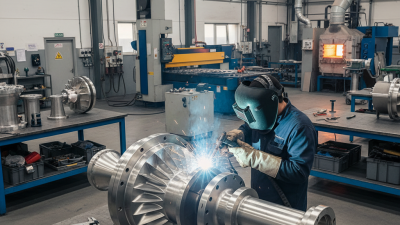
Choosing Master Alloy is not merely a purchasing decision. It is a practical way to control how metals behave during melting, casting, and later processing. A carefully selected Master Alloy can improve grain structure, reduce porosity, and support more stable mechanical performance. These benefits become visible in real production: cleaner cast surfaces, fewer rejected parts, and more predictable results after heat treatment.
Dr. George E. Totten, a recognized authority in metallurgical processing, has stated, “Consistent process control is essential to consistent alloy performance.” This principle explains why Master Alloy quality matters. The carrier metal, additive concentration, particle size, and melting temperature all influence the final result. A small dosing error can change conductivity or weaken a critical section. It may look minor. It rarely is.
Reliable suppliers provide certificates, traceable batch records, and technical guidance for actual furnace conditions. Experienced operators also check dissolution time, melt turbulence, and holding temperature instead of trusting labels alone. A Master Alloy is not a magic powder. Poor storage can introduce moisture, while careless addition can increase oxidation or create uneven composition.
There is room for reflection. Even skilled teams can select the right product but use the wrong addition method. That mistake may remain hidden until testing or service failure. Choosing Master Alloy, therefore, means choosing controlled metallurgy, documented evidence, and a process that can be repeated. The best choice is not always the cheapest one. It is the one that delivers measurable performance, stable quality, and fewer surprises throughout production.
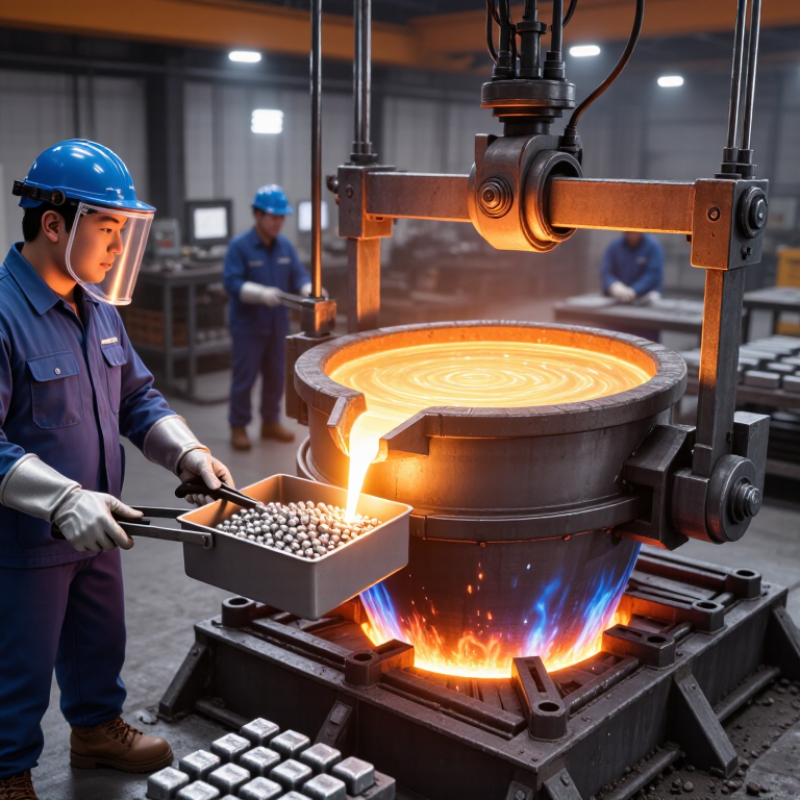
A master alloy is a concentrated mixture of metals used to adjust another metal’s properties. It usually contains an active element and a carrier metal. The carrier makes the addition easier to melt, measure, and distribute. Unlike pure metal additions, it reduces handling difficulties and supports more consistent production. Small changes matter.
During melting, operators add the master alloy at a controlled temperature. The particles dissolve into the liquid metal and release elements throughout the melt. Stirring, gas movement, or electromagnetic circulation helps prevent local concentration. In an aluminum melt, for example, a refining addition can influence grain size and improve casting structure. A modification addition can also affect fluidity and strength. Experienced technicians check temperature, holding time, and chemical readings before casting.
The final result depends on alloy grade, dosage, melt cleanliness, and mixing quality. Too much addition may increase cost or create unwanted phases. Too little may leave the target property unchanged. Clean tools and dry charge materials reduce contamination and moisture-related risks. Yet the process is not perfect. Oxidation, temperature loss, or uneven stirring can distort the intended chemistry. In practice, the first calculation is rarely the final answer. A spectrometer reading should be compared with production records, not viewed alone. Measurements need context.

Why Choose Master Alloy for Better Metal Performance?
Master alloys improve metal composition by delivering controlled amounts of key elements. They are concentrated blends added during melting. This approach helps producers adjust chemistry with greater precision. A measured addition can improve strength, corrosion resistance, or casting quality. For example, grain-refining elements can create a finer structure in aluminum castings. This often supports better toughness and more consistent machining results. The benefit depends on accurate weighing, proper melt temperature, and thorough mixing.
Tips: Check the base metal first. Use a clean, dry addition tool. Follow the supplier’s recommended addition range. Take a melt sample after mixing. Spectrometer results can reveal whether the target composition was reached. Small errors matter.
Master alloys can also reduce performance variation between production batches. In practical casting work, operators may notice fewer coarse grains, smoother surfaces, and more stable mechanical results. However, master alloy is not a magic fix. Poor degassing, moisture, or excessive holding time can still damage the final metal. I have seen a carefully calculated addition produce weak results when mixing was incomplete. That experience shows why process records matter. Track melt temperature, addition timing, stirring time, and sample results. Review the data when defects appear. A better alloy begins with better control, but the process still needs attention.
Master alloys are concentrated metal mixtures designed to improve another metal during melting. They help control grain size, strength, fluidity, corrosion resistance, and final consistency. In practical casting work, a small addition can change how smoothly metal fills a thin mold section. It can also reduce unwanted defects. The effect depends on accurate weighing, clean tools, and suitable melting temperatures. That part is often underestimated.
Aluminum-titanium-boron master alloys are widely used for grain refinement in aluminum castings. They can produce finer grains and more uniform mechanical properties. Aluminum-silicon master alloys adjust silicon levels and support better fluidity. Copper-phosphorus alloys are commonly applied to copper-based materials, especially when deoxidation and improved casting quality are needed. Iron-based master alloys can add chromium, manganese, or other elements to steel and iron melts. Nickel-based and magnesium-based alloys serve specialized roles in heat-resistant and lightweight materials.
Application conditions matter as much as alloy selection. Engineers should check the base metal, target composition, furnace temperature, holding time, and recovery rate. A laboratory certificate helps, but it cannot replace process testing. In one production trial, excessive addition caused brittle areas near the casting surface. The calculation was correct, but the mixing time was too short. That mistake was useful. It showed why spectrometric checks, sample casting, and recorded batch data should guide every adjustment.
Selecting a master alloy starts with the target metal, not the supplier catalogue. Confirm the base composition, required element range, and melting temperature. A narrow chemistry window can reduce segregation and improve final consistency. Recovery rate also matters. Laboratory results may not match a busy production line.
Particle size and physical form affect feeding accuracy. Small pieces dissolve quickly, while larger ingots may reduce dust but require stronger furnace control. Compatibility is critical. An addition that reacts poorly with the melt can create inclusions, porosity, or uneven grain structure. That result is costly.
Traceability should cover heat number, chemical analysis, and production date. The U.S. Geological Survey reported global bauxite mine production near 400 million metric tons in 2023, showing how closely alloy selection connects with raw-material availability.
Recycled content deserves attention too. The International Aluminium Institute reports that aluminium recycling can use about 95% less energy than primary production. Yet recycled feedstock may carry more variable impurities. That is where process discipline matters.
Cost alone is a weak filter. Compare delivered price, recovery, handling loss, and rejected castings. Ask for batch-level test data, but challenge it with your own trials.
A practical mistake is trusting one successful test. Melt temperature, stirring time, furnace cleanliness, and operator technique can change the outcome. The best choice is usually the alloy that performs reliably under actual plant conditions, not only in a controlled sample.
Master alloys help producers control chemistry with fewer handling steps. They contain concentrated elements, such as titanium, boron, copper, or magnesium. Operators add them during melting, where controlled dissolution improves composition accuracy. A small, measured addition can refine grain structure and reduce unwanted variation. This matters near the furnace.
The International Aluminium Institute reported 70.6 million tonnes of primary aluminium production in 2023. At this scale, inconsistent additions can create costly rework and quality losses. Master alloys support faster feeding, cleaner dispersion, and more predictable casting results. The USGS Mineral Commodity Summaries 2024 reported global refined copper production near 22 million tonnes in 2023. Copper producers also need tight chemistry control, especially for electrical applications. Better distribution can protect conductivity and reduce rejected material.
The process is not flawless. Poor storage can introduce moisture, while incorrect temperature can leave undissolved particles. Experienced operators still verify bath samples, addition rates, and furnace conditions. A master alloy cannot repair weak process control. However, it can make a controlled process more repeatable. In practice, the best results often come from smaller additions, accurate weighing, and testing between batches. That discipline supports efficient production without sacrificing metal performance.