What is Laser Powder Bed Fusion and Its Top Applications in 2026?
Laser Powder Bed Fusion (LPBF) is revolutionizing modern manufacturing. This advanced additive manufacturing process involves using a laser to melt powder materials. It builds parts layer by layer, resulting in highly complex geometries. LPBF has gained traction in industries like aerospace and medical devices due to its precision and efficiency.
However, challenges remain. The process requires careful calibration to avoid defects. Variability in powder quality can affect the final product’s strength. As LPBF technology evolves, these issues must be addressed to enhance reliability. In 2026, LPBF applications are expected to expand significantly, driven by advancements in materials and technology.
Ultimately, LPBF holds great promise. It allows for innovative designs that traditional manufacturing cannot achieve. With ongoing research and industry collaboration, LPBF can redefine production processes across various sectors. Understanding its applications will be crucial for stakeholders looking to leverage this technology effectively.
What is Laser Powder Bed Fusion Technology?
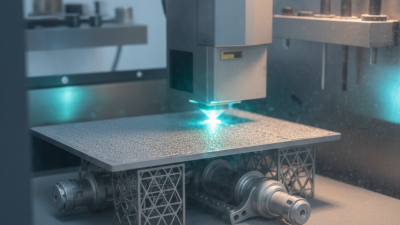
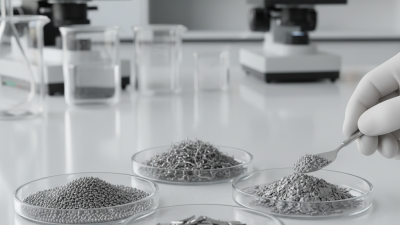
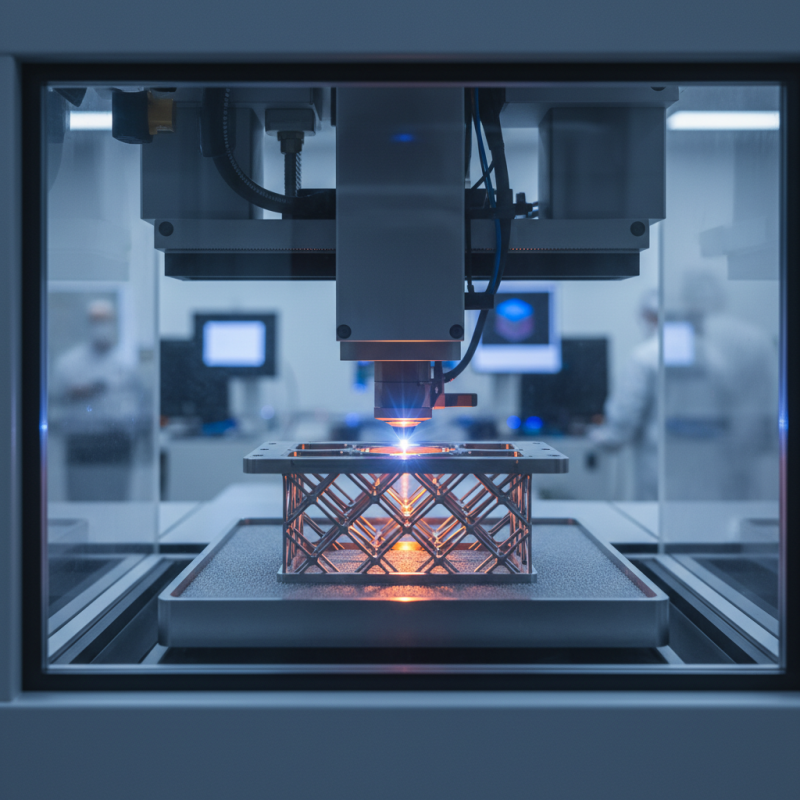
Laser Powder Bed Fusion (LPBF) is an advanced additive manufacturing technique. It uses a high-powered laser to fuse metal powders layer by layer. This results in complex, high-precision components that standard methods cannot achieve. The process begins with a thin layer of metal powder spread across a build platform. The laser scans and melts the powder, forming solid parts as it moves.
One of the remarkable aspects of LPBF is its ability to create geometrically intricate designs. It allows for reduced weight while maintaining strength. Engineers and designers utilize this technology for aerospace, automotive, and medical applications. Some structures produced through LPBF include lightweight brackets and custom implants. However, controlling the thermal conditions during printing requires constant attention. Inconsistent results can occur without proper management.
While LPBF has transformed manufacturing, challenges remain. The process can be slow, taking hours or days to create parts. Additionally, post-processing steps, such as heat treatment, are often necessary. These can add to time and cost. Understanding these limitations is crucial for any industry looking to implement LPBF technology effectively.
Key Advantages of Laser Powder Bed Fusion Over Traditional Methods
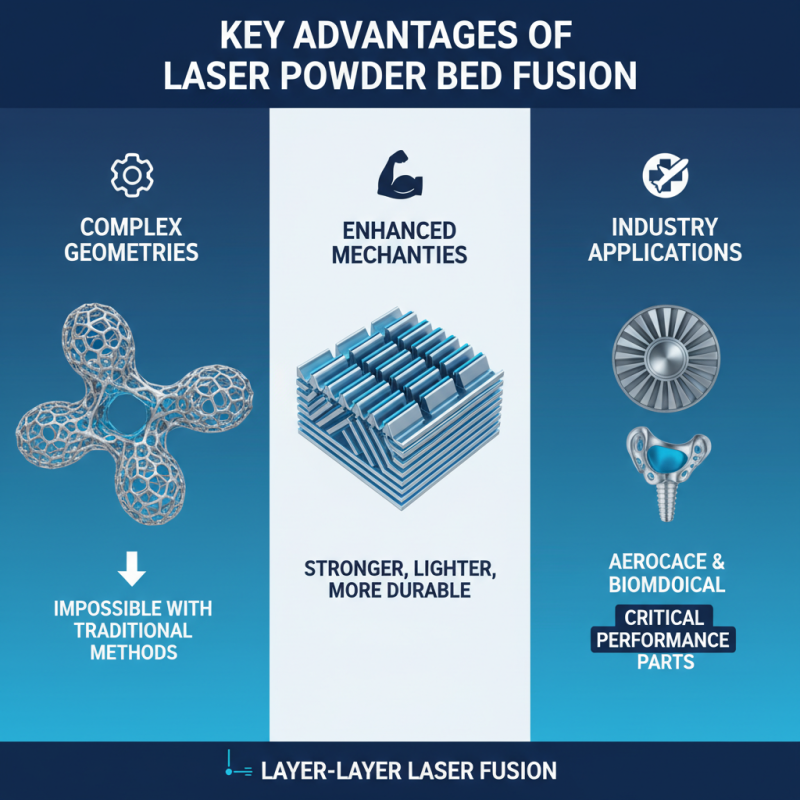
Laser Powder Bed Fusion (LPBF) is a pioneering method in additive manufacturing. It creates intricate parts layer by layer using a laser to fuse powdered materials. This technology has significant advantages over traditional manufacturing methods. One of the key benefits is its ability to produce complex geometries that would be impossible with conventional methods. The final products often exhibit enhanced mechanical properties. This is particularly beneficial in industries such as aerospace and biomedical where performance is crucial.
Another advantage is material efficiency. LPBF minimizes waste, as it uses only the necessary amount of powder for each part. This not only saves resources but also reduces costs in the long run. Additionally, the speed of producing prototypes is remarkable. Companies can quickly iterate designs and bring them to market faster. However, the process isn’t without its challenges. There are complexities in controlling the process parameters. Missteps can lead to defects in parts.
Furthermore, the technology is still evolving. Researchers are continuously working to improve the understanding of material interactions within the powder bed. This presents opportunities for enhanced reliability in production. The LPBF process is revolutionizing manufacturing, but it must be approached with caution to harness its full potential.
Industry Applications of Laser Powder Bed Fusion in Aerospace Manufacturing
Laser Powder Bed Fusion (LPBF) plays a crucial role in aerospace manufacturing. This innovative technology enables the creation of complex geometries that traditional methods struggle to achieve. By using a high-powered laser to fuse metallic powders layer by layer, LPBF allows for lighter components without compromising strength. Aerospace companies increasingly rely on LPBF to reduce part counts and enhance design flexibility.
However, challenges remain. The quality of final parts can vary based on powder quality and process parameters. Each batch requires thorough testing to ensure reliability, which can slow production timelines. Despite the advancements, understanding the intricacies of material behavior during laser fusion is essential. Inconsistent results may lead to scrutinized performance in flight.
The applications of LPBF in aerospace extend beyond prototyping. Components for engines and structural frames are being produced with greater precision and efficiency. This method shows promise in reducing lead times for critical parts. As firms adopt LPBF, the industry is evolving yet still faces hurdles in achieving consistent results. The balance between innovation and reliability is a topic of ongoing discussion.
Applications of Laser Powder Bed Fusion in Aerospace Manufacturing (2026)
Impact of Laser Powder Bed Fusion on Medical Device Production in 2026
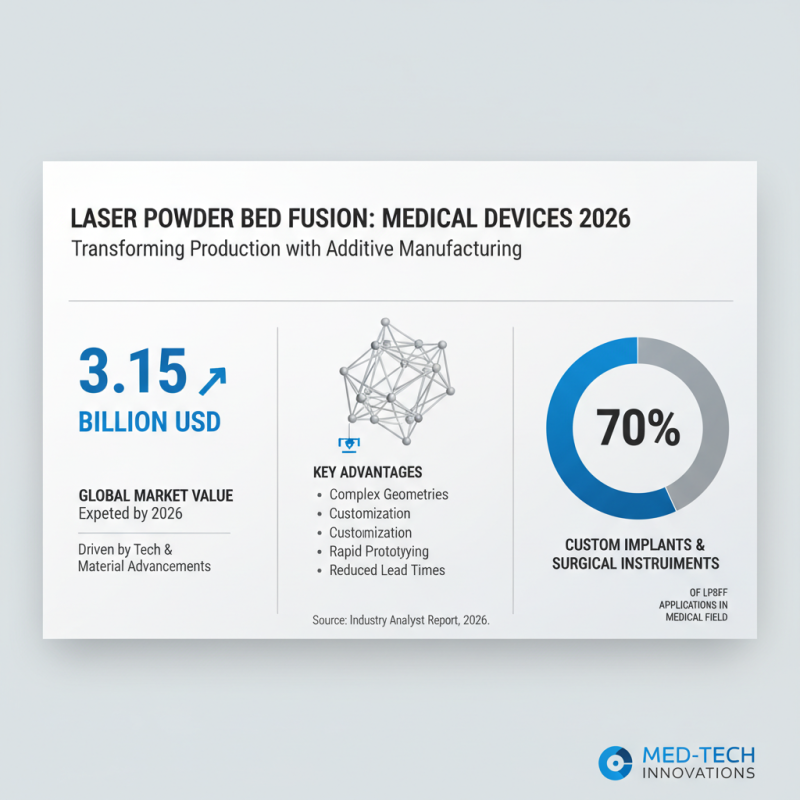
Laser Powder Bed Fusion (LPBF) has rapidly transformed medical device production. This additive manufacturing process enables the creation of complex geometries that traditional methods cannot achieve. In 2026, it is expected that the LPBF market will reach $3.15 billion, with substantial growth driven by advancements in technology and materials. According to a recent report by a leading industry analyst, custom implants and surgical instruments will account for nearly 70% of LPBF applications in the medical field.
The precision and customization offered by LPBF greatly benefit patient care. Devices can be tailored to individual anatomy, improving outcomes and reducing recovery times. However, challenges remain. Quality control and certification processes need to evolve alongside technology. Inconsistent results and understanding of material properties can hinder broader adoption. As regulatory bodies catch up, manufacturers must focus on establishing robust protocols to ensure safety and efficacy.
Market insights indicate that companies investing in LPBF technology are likely to gain a competitive edge. Reports suggest that by 2026, 60% of medical device firms will integrate this technology into their production lines. While the potential is significant, navigating the complexities of regulatory compliance poses risks. Balancing innovation with patient safety will be crucial in the ongoing evolution of medical device manufacturing.
Future Trends and Innovations in Laser Powder Bed Fusion Technology
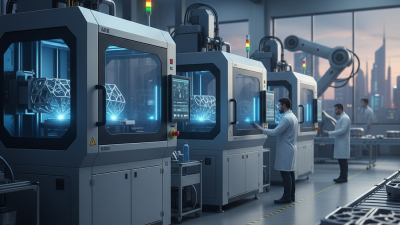
Laser Powder Bed Fusion (LPBF) is a pioneering additive manufacturing technology. By selectively melting powdered materials using a high-powered laser, it creates intricate designs layer by layer. This method not only enhances design flexibility but also allows for efficient material usage. As industries evolve, LPBF is set to transform manufacturing processes.
Future trends in LPBF include advances in materials and automation. Researchers are exploring new alloys and composites to improve performance. Enhanced machine learning algorithms may optimize printing parameters, ensuring better accuracy. Innovations might also lead to lighter and stronger components, which are critical in aerospace and healthcare.
**Tip:** Consider regular maintenance of your LPBF equipment to prevent downtimes. Keeping machines calibrated improves the end quality of parts.
Additionally, the integration of smart technologies could revolutionize LPBF. Real-time monitoring systems can offer valuable insights into production issues. This proactive approach can minimize waste and improve overall efficiency.
**Tip:** Use simulation software to predict outcomes of different materials and designs. This can save time and resources before actual production.
What is Laser Powder Bed Fusion and Its Top Applications in 2026? - Future Trends and Innovations in Laser Powder Bed Fusion Technology
| Application Area |
Material Used |
Industry |
Projected Growth (%) |
Key Innovations |
| Aerospace Components |
Titanium Alloys |
Aerospace |
25% |
Increased efficiency, enhanced part complexity |
| Medical Implants |
Stainless Steel |
Healthcare |
30% |
Customized implants, biocompatible materials |
| Tooling and Prototyping |
Aluminum Alloys |
Manufacturing |
20% |
Rapid prototyping, complex geometries |
| Automotive Parts |
Copper Alloys |
Automotive |
15% |
Lightweight structures, energy efficiency |
| Electronics Enclosures |
Polymer Materials |
Electronics |
18% |
Enhanced design flexibility, reduced waste |