Leave Your Message

What Is the Best Powder Coating Surface in 2026?

Choosing the best Powder Coating Surface in 2026 is not simply a matter of selecting the glossiest finish. The right surface depends on the substrate, climate, handling demands, and expected service life. A smooth steel panel may perform well indoors, while a textured aluminum finish can offer better grip and visual depth outdoors. Preparation remains critical. Oil, rust, moisture, and poor blasting can weaken adhesion before the powder reaches the curing oven. Small defects matter.

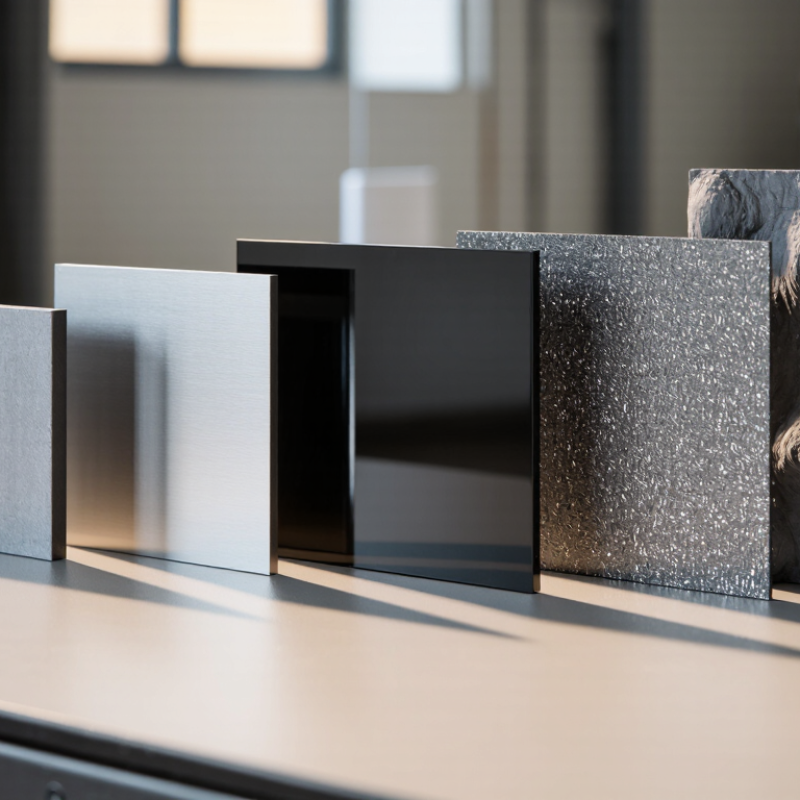
This guide examines leading powder coating surfaces through practical performance factors, including corrosion resistance, scratch protection, color stability, texture, maintenance, and environmental impact. Testing methods such as cross-cut adhesion checks, impact testing, and controlled salt-spray evaluations provide useful evidence. However, laboratory results cannot perfectly represent coastal air, road salt, or years of repeated contact. That limitation deserves attention. There is no universal winner, although some finishes clearly suit specific applications better than others. Matte, satin, gloss, metallic, and textured surfaces each create different maintenance and durability expectations. Dark colors may reveal scratches more easily, while rough textures can hide minor marks but collect dirt. Application quality also changes the final result. Even a premium powder can fail when curing temperatures are inconsistent or film thickness is poorly controlled. This article compares the strongest options for 2026 and explains where each surface works best. Its goal is practical guidance, not exaggerated promises.
What Is the Best Powder Coating Surface in 2026?

What Makes a Surface Ideal for Powder Coating in 2026?

What Makes a Surface Ideal for Powder Coating in 2026?

An ideal powder-coating surface is clean, stable, and slightly receptive. In practical shop work, bare steel and aluminum usually perform well after controlled pretreatment. Oil, mill scale, fingerprints, and welding residue create hidden failure points. A smooth surface is not always the best surface.

The U.S. Environmental Protection Agency reports that powder-coating systems can reach transfer efficiencies near 95 percent. That efficiency depends on consistent grounding and suitable substrate preparation. ISO 8501-1 recommends clearly defined steel-cleanliness grades before coating. For aluminum, chemical conversion treatment can improve adhesion and reduce corrosion risk. The surface should also avoid sharp edges, trapped moisture, and deep weld craters.

Test it.

ASTM D3359 cross-hatch testing helps verify adhesion after curing. In my experience, this simple check exposes problems that visual inspection misses. Surface temperature matters too. A thick steel bracket and a thin aluminum panel may require different heating times. Technical data sheets often state curing conditions, yet real ovens may have cold zones. That is where judgment becomes important. According to a 2024 industry market report, powder coatings continue gaining use because of durability and lower solvent emissions. Still, the ideal surface is not defined by appearance alone. It must remain clean, grounded, dimensionally stable, and chemically compatible through the full curing cycle.

What Is the Best Powder Coating Surface in 2026?

The ideal powder coating surface is clean, dry, chemically compatible with pretreatment, lightly profiled for adhesion, and stable during curing. This practical index compares common metal substrates using corrosion resistance, pretreatment compatibility, dimensional stability, and coating adhesion potential.

Indicative engineering comparison on a 10-point scale. Actual performance depends on alloy composition, surface contamination, pretreatment chemistry, coating formulation, cure schedule, and service environment.

Which Materials Provide the Best Powder Coating Surfaces?

What Is the Best Powder Coating Surface in 2026?

Steel remains a dependable powder coating surface because it handles heat, impact, and heavy fabrication. Its smooth profile helps produce an even film. However, bare steel needs thorough degreasing and rust removal. The U.S. Environmental Protection Agency reports that powder coating can achieve transfer efficiency above 95%, reducing overspray compared with many liquid systems. That advantage depends on clean metal and correct grounding.

Aluminum offers excellent corrosion resistance and a lighter finished assembly. It is often preferred for architectural panels, transport parts, and outdoor equipment. Galvanized steel can also perform well, but trapped gases may cause pinholes during curing. Preheating and a suitable primer can reduce this risk. Medium-density fiberboard is another option for heat-stable interior components, although moisture exposure remains a weakness. I have seen attractive finishes fail because the substrate was chosen for appearance, not service conditions. That is an easy mistake to repeat.

Tips: Check the material’s cure temperature before production. Use a cross-hatch adhesion test after coating. ASTM D3359 provides a practical evaluation method, while AAMA 2604 and AAMA 2605 define demanding architectural performance levels. Surface profile, humidity, storage time, and edge coverage deserve equal attention. A perfect powder is not enough. The surface decides much of the result.

What Is the Best Powder Coating Surface in 2026? – Which Materials Provide the Best Powder Coating Surfaces?

Substrate Material Surface Preparation Required Powder Coating Adhesion Corrosion Protection Potential Outgassing Risk Heat and Dimensional Considerations Best-Suited Applications Overall Surface Suitability
Aluminum Clean and degrease thoroughly; remove oxidation with suitable abrasion or chemical pretreatment. A conversion coating can improve durability. Excellent Very good Low High thermal conductivity supports even heating. Parts can expand more than steel during curing, so dimensional tolerances should be considered. Architectural components, outdoor equipment, enclosures, transportation parts, and lightweight structures. Excellent
Low-Carbon Steel Remove oil, mill scale, rust, and debris by cleaning and abrasive preparation. A suitable pretreatment is important for long-term corrosion resistance. Excellent Very good with pretreatment Low Generally stable during standard powder-curing cycles. Bare edges, scratches, and uncoated weld areas can become corrosion entry points. Frames, machinery, furniture, brackets, tools, and general fabricated metal products. Excellent
Galvanized Steel Remove oil and surface contaminants without unnecessarily removing the zinc layer. Use a compatible pretreatment and allow adequate heating or degassing to reduce pinholes. Very good Excellent Moderate Zinc-coated surfaces may release trapped moisture or gases during curing. Correct cure scheduling and controlled heating help prevent bubbling. Outdoor structures, fencing, street furniture, agricultural equipment, and components exposed to weather. Very good
Stainless Steel Clean thoroughly and abrade or chemically activate the surface to remove passive contamination and improve mechanical or chemical bonding. Very good Excellent Low Usually dimensionally stable during curing. The coating may be selected for appearance, color, electrical insulation, or added wear protection rather than basic corrosion protection. Food-service equipment exteriors, laboratory equipment, architectural details, handrails, and decorative components. Very good
Cast Iron Remove rust, oil, graphite residue, and casting contaminants. Preheating or controlled outgassing may be needed, especially for porous castings. Good Very good Moderate to high Thick sections heat slowly and unevenly. Porosity can release gases during curing and cause pinholes or surface defects. Machine housings, cookware exteriors, engine components, pumps, and heavy industrial parts. Good with controlled preparation
Hot-Rolled Steel Remove mill scale, rust, and surface contamination using abrasive blasting or another validated preparation process. Apply corrosion pretreatment when required. Very good Very good with pretreatment Low Normally suitable for standard curing temperatures. Rough mill-scale surfaces may require additional preparation to achieve a uniform finish. Structural parts, industrial frames, heavy equipment, racks, and fabricated assemblies. Very good
Copper and Copper Alloys Remove oxides, oils, and tarnish; use a compatible pretreatment. Mask or protect areas where electrical contact or conductivity must be maintained. Good Very good Low Very high thermal conductivity can produce rapid heat transfer and may require process control. Copper alloys may discolor or change surface condition during heating. Electrical enclosures, busbar supports, decorative hardware, heat-transfer components, and fittings. Good with process control
Magnesium Alloys Use carefully controlled cleaning and pretreatment designed for magnesium. Avoid aggressive methods that may damage the substrate or create safety hazards. Good Good with specialized pretreatment Low Parts require strict control of curing temperature, handling, and grounding. The substrate’s low density and reactivity make process validation especially important. Weight-sensitive transportation components, housings, and specialized engineering parts. Conditional

Evaluation note: The best powder-coating surface depends on substrate cleanliness, pretreatment, coating chemistry, part geometry, cure schedule, and the intended service environment. Aluminum and properly prepared low-carbon steel generally provide the most consistent combination of adhesion, finish quality, and process reliability.

How Surface Preparation Determines Powder Coating Performance

What Is the Best Powder Coating Surface in 2026?

How Surface Preparation Determines Powder Coating Performance

The best powder coating surface is clean, chemically stable, and slightly textured. Surface preparation often matters more than the powder itself. In practical workshops, I have seen attractive finishes fail within months because oil remained inside a weld seam. Fingerprints can also create small adhesion failures. They are easy to miss.

Steel usually needs degreasing, rust removal, and controlled abrasion before coating. Aluminum requires different cleaning methods because aggressive chemicals can damage its surface. Galvanized steel may need special preparation to remove residues and reduce outgassing. A clean, even profile gives the powder a stronger mechanical grip. Excessive blasting can create sharp peaks, while weak preparation leaves smooth areas that peel.

Moisture is another quiet problem. A damp part can develop flash rust before coating. This may happen within minutes in a humid workspace. I recommend checking the surface under strong lighting and using a clean, lint-free cloth. Test panels should be cured with the production batch, then checked for adhesion, impact resistance, and visible pinholes. Cross-hatch testing can reveal weak bonding before a customer does. The mistake I still catch is rushing between cleaning and spraying. Preparation is not glamorous. It is where coating reliability begins.

How to Compare Powder Coating Surfaces by Use and Environment

What Is the Best Powder Coating Surface in 2026?

The best powder coating surface depends on use, exposure, and maintenance conditions. Start with the environment. Outdoor furniture near the coast needs strong corrosion resistance and careful pretreatment. A durable satin or fine-textured finish can reduce visible scratches and glare. However, deep textures may collect salt, dust, and moisture in small valleys.

For doors, panels, and equipment used indoors, smooth finishes are often easier to clean. Glossy surfaces reflect more light and reveal fingerprints quickly. Matte finishes hide glare but may show oily marks during frequent handling. In workshops, a medium texture can improve visual durability around tools, carts, and machinery. It also hides minor substrate imperfections, though it cannot repair poor preparation.

Surface preparation remains critical. The metal should be clean, dry, and free from oil, rust, and residue before coating. Edge coverage deserves attention, especially on cut steel and welded joints. In humid or chemically exposed areas, the coating system should match the substrate and expected contaminants. A finish that performs well in a dry warehouse may fail earlier beside road salt or cleaning chemicals.

I would not choose from a color card alone. Touch the sample, inspect its texture, and consider how it will be washed. A beautiful finish can become inconvenient. Maintenance schedules also matter; neglected textured surfaces may age unevenly. Small test panels can reveal adhesion, cleaning behavior, and visual changes before full production.

How to Select the Best Powder Coating Surface for Each Application

What Is the Best Powder Coating Surface in 2026?

How to Select the Best Powder Coating Surface for Each Application

The best surface depends on the part’s material, environment, and preparation quality. Steel often needs abrasive blasting or chemical pretreatment before coating. Aluminum requires careful cleaning because its oxide layer can weaken adhesion. Galvanized steel presents another challenge. Trapped gases may create bubbles during curing. I have seen attractive finishes fail because preparation was rushed.

Start with the service conditions. Outdoor components need strong resistance to moisture, ultraviolet exposure, and temperature changes. Indoor fixtures may prioritize appearance and impact resistance. Smooth surfaces reveal scratches quickly, while textured finishes can hide minor marks. Check the coating’s recommended cure schedule against the substrate. Excessive heat can distort thin parts. Insufficient heat can leave the film soft.

Tips: Test a small panel first. Measure surface cleanliness. Confirm film thickness at edges and flat areas. Inspect adhesion after curing. Do not trust appearance alone.

A reliable selection process also considers sharp corners, welds, threaded holes, and drainage points. Rounded edges usually produce more consistent coverage than sharp edges. Masking may protect connection areas, but poor masking can create uneven boundaries. Pretreatment chemistry should match the substrate and local process controls. Technical data sheets provide useful limits, yet real production conditions may differ. That is where documented trials matter. A test panel can still mislead if it is cleaner than the production part. Review failures honestly, then adjust preparation, thickness, or curing conditions.