How to Apply Thermal Spray Ceramic Coating for Optimal Protection?
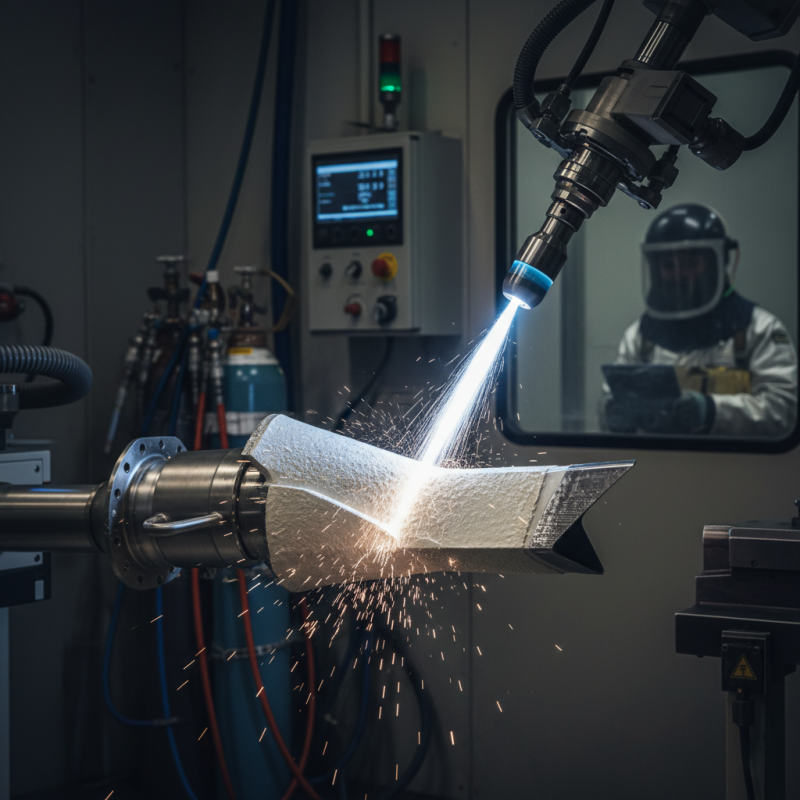
Thermal Spray Ceramic Coating is a sophisticated method for enhancing surface durability. It provides significant protection against wear, corrosion, and thermal damage. This coating technology uses fine ceramic particles that are heated and sprayed onto surfaces, creating a robust barrier.
Many industries rely on Thermal Spray Ceramic Coating for essential components. This includes aerospace, automotive, and manufacturing fields. The coating process requires expertise and precision for optimal results. Achieving the right thickness and adhesion level is critical.
Mistakes can occur if one is not careful during application. Over-spraying or inconsistent surface preparation can lead to failures. Understanding the properties of the materials involved is key. It is important to evaluate the environment where the coating will be used. This ensures the best possible outcomes and long-lasting protection.
Understanding Thermal Spray Ceramic Coating Materials and Techniques
Thermal spray ceramic coatings offer exceptional protection against wear, corrosion, and high temperatures. These coatings are essential in industries such as aerospace and automotive. Materials like zirconia and alumina are commonly used due to their favorable thermal and mechanical properties. A study by the National Institute of Standards and Technology found that coatings can reduce wear by up to 95% compared to uncoated surfaces.
The application technique significantly influences the coating's effectiveness. Flame spraying and plasma spraying are widely utilized methods. Each technique produces different microstructures and adhesion properties. It’s crucial to select the appropriate method based on the specific application requirements. Effective surface preparation is vital, as contaminants can compromise adhesion. Research indicates that surface roughness can improve bonding strength by 50%.
While these coatings provide excellent benefits, challenges remain. Coating thickness often varies, leading to inconsistent performance. Quality control measures are necessary to ensure uniform application. Additionally, the curing process must be carefully monitored to avoid defects. Understanding these materials and techniques is essential for achieving optimal protection.
Preparing the Surface for Optimal Thermal Spray Application
Preparing the surface is key for optimal thermal spray ceramic coating application. A clean surface enhances adhesion and protects the substrate beneath. Start by removing any contaminants, such as oils, dust, or grease. Use a solvent or a suitable degreaser for this purpose. Fine contaminants can interfere with the coating, leading to premature failure.
Tips: Always wear appropriate safety gear when handling solvents. Good ventilation is also important.
Next, consider the surface roughness. A roughened surface helps the coating bond better. Blasting with aluminum oxide or silica can create the desired texture. Aim for a profile height of about 50-70 microns. This creates a strong anchor for the ceramic material.
Tips: Always test your blasting settings on a scrap piece first. It helps prevent over-etching or damage to the substrate.
After preparation, inspect the surface thoroughly. Look for any imperfections or missed spots. A brief reflection on the process can save time later. Proper surface preparation cannot be overlooked; it is foundational to success.
Thermal Spray Ceramic Coating Application: Surface Preparation Impact
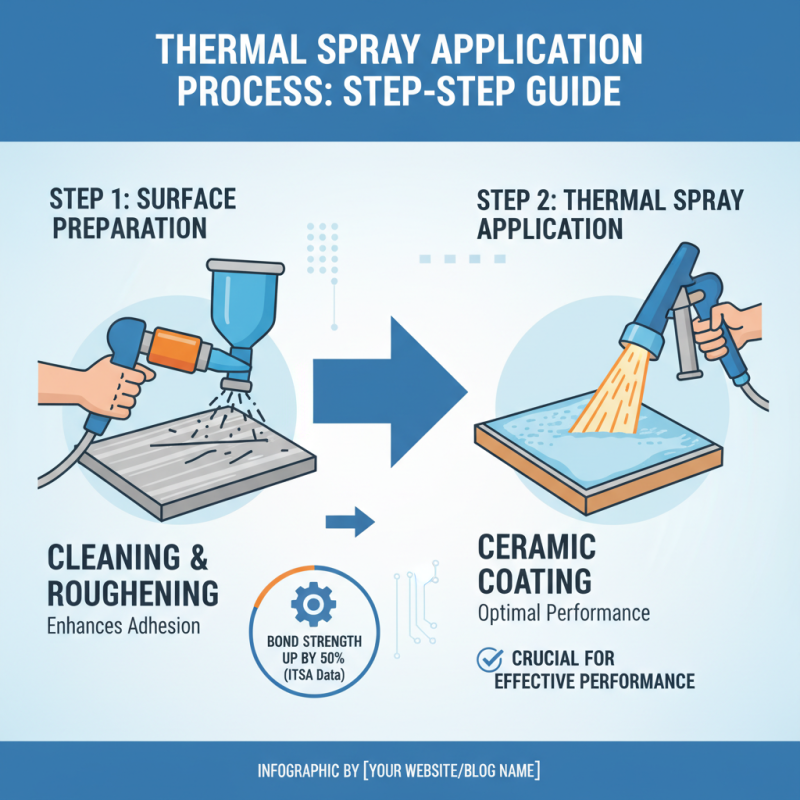
The Thermal Spray Application Process: Step-by-Step Guide
The thermal spray application process is pivotal for achieving optimal ceramic coating on various surfaces. Starting with surface preparation, it involves cleaning and roughening the substrate to enhance adhesion. Data from the International Thermal Spray Association indicates that proper surface preparation can improve bond strength by up to 50%. This initial step is often overlooked but is crucial for effective performance.
Once the surface is prepared, the thermal spraying technique is applied. Materials are heated to a molten state and propelled onto the surface. This can be done using plasma or flame methods. Studies show that the plasma spray method can achieve higher densities and better microstructure than traditional flame spray techniques. However, controlled parameters are essential; inconsistent temperature can lead to uneven coating. Monitoring these factors is necessary to avoid costly redo.
After application, the coating requires post-treatment, often involving grinding or polishing for the desired finish. Feedback from industry professionals highlights that over 40% of layers are inadequately processed during this phase, leading to reduced durability. This step is vital for achieving functionality, yet it faces frequent negligence. The entire process underlines the complexity of thermal spray applications, necessitating attention to detail at every stage.
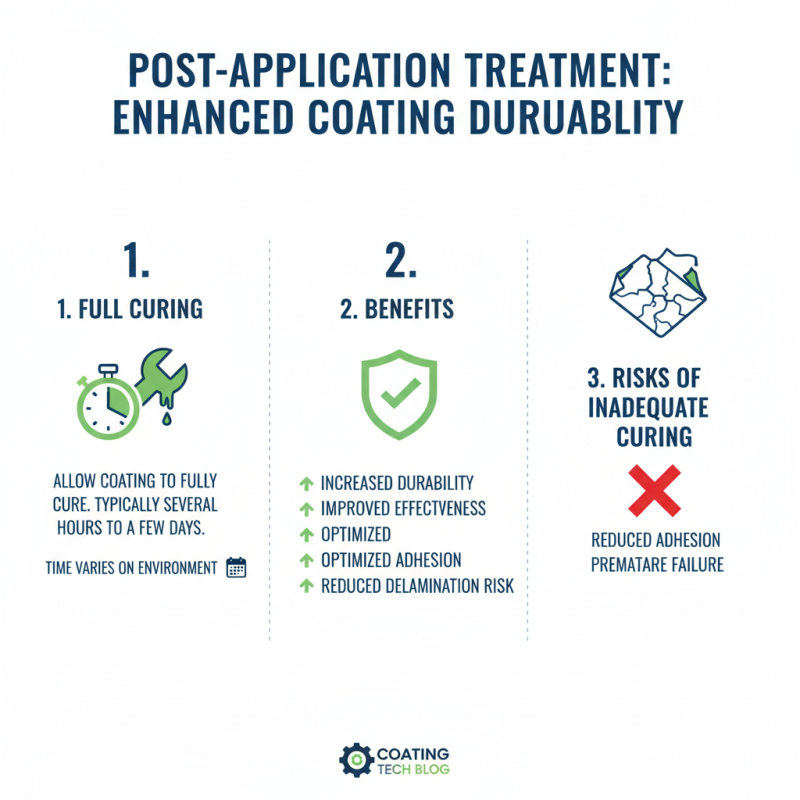
Post-Application Treatment for Enhanced Coating Durability
After applying thermal spray ceramic coating, proper post-application treatment is crucial. This process enhances the durability and effectiveness of the coating. Start by allowing the coating to cure fully. This might take several hours to a few days, depending on the environment. Inadequate curing can lead to delamination or reduced adhesion.
Next, consider a careful inspection of the coated surface. Look for any imperfections or inconsistencies. Addressing these small issues early can prevent larger problems later. If the coating appears rough or uneven, light sanding may be necessary. Use fine-grit sandpaper to smooth the surface without damaging the coating.
Another important step is subjecting the coated object to post-application heat treatment. This can help in achieving optimal interfacial bonding. Control the temperatures carefully. Excessive heat can compromise the coating’s integrity. Finally, regular maintenance checks are key. Wear and tear can occur over time. Be proactive in monitoring the coating's performance to ensure long-lasting protection.
Maintenance Tips for Long-Lasting Thermal Spray Coatings
Maintaining thermal spray ceramic coatings is crucial for ensuring their longevity and effectiveness. Regular inspections can help identify areas where the coating may be wearing thin or damaged. Pay attention to discoloration or cracks, as these can indicate underlying issues.
Tips for maintaining your thermal spray coatings include cleaning the surfaces regularly. Use a soft cloth and a gentle cleaning solution to avoid abrasion. It’s essential to remove any contaminants that may adhere to the coating, as they can compromise its integrity. Apply protective barriers in harsh environments to prevent unnecessary wear.
Re-coating is necessary at times. If you notice significant wear or loss of functionality, consider reapplying the thermal spray. Ensuring proper application techniques during re-coating can also enhance the final result. It's wise to consult experts to select the right materials and processes for your specific needs. Regular maintenance and attention can prolong the life of these coatings.
How to Apply Thermal Spray Ceramic Coating for Optimal Protection? - Maintenance Tips for Long-Lasting Thermal Spray Coatings
| Step |
Description |
Tip |
| 1 |
Surface Preparation |
Clean and degrease the surface thoroughly to ensure proper adhesion. |
| 2 |
Masking |
Use masking tape to protect areas that should not be coated. |
| 3 |
Equipment Setup |
Ensure thermal spray equipment is calibrated and properly set. |
| 4 |
Spraying |
Apply the ceramic coating in even passes to achieve uniform thickness. |
| 5 |
Cooling |
Allow the coating to cool naturally for optimal bonding. |
| 6 |
Inspection |
Inspect the coating for any imperfections or irregularities. |
| 7 |
Final Touches |
Apply any necessary touch-ups to ensure quality. |